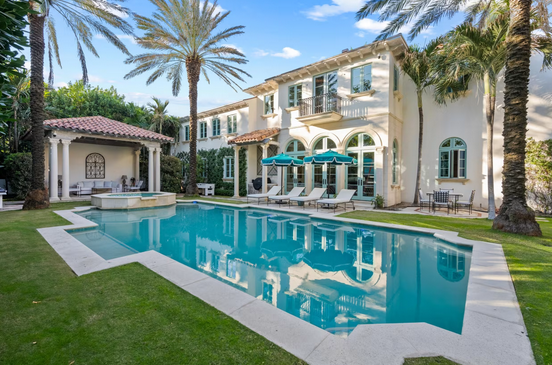
Luxury real estate has always been associated with prestige, exclusivity, and wealth preservation. However, in recent years, the world’s ultra-wealthy have accelerated their investments in high-end properties at an unprecedented pace. From oceanfront mansions in Miami to branded residences in Dubai and historic penthouses in New York, billionaire buyers and ultra-high-net-worth individuals are pouring billions into luxury real estate despite economic uncertainty, inflation concerns, and fluctuating global markets.
This surge is not simply about owning beautiful homes. Luxury real estate has evolved into a strategic financial asset, a hedge against instability, a lifestyle investment, and even a symbol of global mobility. The ultra-rich are buying trophy homes, second residences, branded developments, and ultra-exclusive estates because they see long-term value in tangible assets that offer security, privacy, and status.
As the global economy changes, the luxury property market is entering a new era where wealth, technology, taxation, geopolitics, and lifestyle preferences are reshaping how and where the rich invest. Understanding why the ultra-wealthy are making such massive bets on luxury real estate reveals important insights about the future of global wealth itself.
The Rise of Ultra-Wealthy Property Buyers
Over the last decade, the number of ultra-high-net-worth individuals has expanded significantly. Tech entrepreneurs, hedge fund managers, crypto investors, entertainment celebrities, and global business owners have created enormous pools of wealth. Many of these individuals are now prioritizing real estate as a core part of their investment strategy.
Unlike average homebuyers, the ultra-wealthy often purchase properties outright with cash. They are less affected by mortgage rates and economic downturns. While middle-class buyers struggle with affordability, wealthy investors continue to acquire prime properties in the world’s most exclusive markets.
Luxury homes are increasingly viewed as “hard assets” that preserve wealth during uncertain times. Stocks may fluctuate dramatically, but prime real estate in elite locations often retains value over decades. This belief has fueled major demand in cities like Miami, Dubai, London, New York, Singapore, and Monaco.
The wealthy are also diversifying geographically. Instead of owning one mansion, many now maintain global property portfolios including beachfront homes, mountain retreats, urban penthouses, and tax-friendly residences across multiple countries.
Luxury Real Estate as a Wealth Preservation Tool
One of the primary reasons the ultra-rich are investing heavily in luxury real estate is wealth preservation.
Economic instability, inflation, geopolitical tensions, and currency fluctuations have pushed wealthy investors toward tangible assets. Luxury property is considered safer than many volatile financial instruments because it has intrinsic value and limited supply.
Prime real estate in highly desirable locations rarely loses long-term appeal. Waterfront properties, iconic penthouses, and historic estates become even more valuable over time because land in elite areas is finite. Wealthy buyers understand that scarcity creates enduring demand.
For many billionaires, luxury homes are comparable to fine art, rare watches, or collectible cars. These properties are not merely places to live; they are legacy assets that can appreciate for generations.
Additionally, luxury real estate offers privacy and control. Unlike stocks or business investments, owners have direct authority over their properties. They can renovate, lease, develop, or hold them according to personal financial goals.
The Global Search for Safe Havens
Political uncertainty has become a major factor driving luxury property investments.
Around the world, wealthy individuals are increasingly buying homes in countries considered stable, secure, and economically resilient. Real estate is now closely linked with global mobility and personal security.
Cities such as Miami, Dubai, Geneva, Singapore, and Lisbon have benefited from this trend because they provide attractive tax environments, strong legal systems, and high-quality lifestyles.
For international investors, luxury real estate acts as both a residence and a backup plan. Wealthy families often purchase homes abroad to secure access to healthcare, education, business opportunities, and political stability.
This trend accelerated after the pandemic, which changed how affluent individuals viewed global living. Many realized the importance of having multiple residences in different regions of the world.
Second homes are no longer just vacation properties. They are strategic assets that provide flexibility during economic crises, travel restrictions, or political disruptions.
Miami’s Emergence as a Luxury Real Estate Powerhouse
Few cities represent the modern luxury real estate boom better than Miami.
Traditionally known as a vacation destination, Miami has transformed into one of the world’s leading hubs for ultra-wealthy second-home ownership. Reports indicate that Miami now surpasses several historic luxury markets in attracting high-net-worth buyers.
Several factors explain Miami’s rise:
- No state income tax
- Warm climate
- International connectivity
- Strong luxury development pipeline
- Favorable business environment
- Expanding financial and tech sectors
During the pandemic, many wealthy individuals relocated from high-tax states such as New York and California to Florida. This migration permanently boosted demand for luxury condominiums and waterfront estates.
Miami’s luxury market also appeals to international buyers from Latin America, Europe, and the Middle East who view the city as both an investment opportunity and a lifestyle destination.
The result has been record-breaking sales, rising property values, and intense competition for elite properties.
The Explosion of Branded Residences
One of the most important developments in luxury real estate is the rapid growth of branded residences.
Branded residences are luxury homes associated with famous hospitality, fashion, or automotive brands. Companies such as Four Seasons, Armani, Porsche, Bentley, and Bulgari are increasingly entering the real estate sector.
These properties offer more than luxury finishes. Buyers are purchasing a branded lifestyle experience that includes:
- Concierge services
- Private wellness facilities
- Hotel-style amenities
- Exclusive memberships
- Curated interiors
- Enhanced security
For the ultra-rich, branding creates trust and prestige. Buyers believe branded residences maintain stronger resale value and deliver superior living experiences.
Studies show that many wealthy buyers are willing to pay significant premiums for branded homes because they associate them with quality, exclusivity, and long-term investment stability.
Dubai has emerged as a global leader in branded residences, with thousands of luxury branded units entering the market. Developers are increasingly partnering with elite luxury brands to attract wealthy international investors seeking prestige and differentiation.
Why Scarcity Drives Luxury Property Values
Scarcity is one of the most powerful forces in luxury real estate.
There are only so many beachfront mansions, penthouses overlooking Central Park, or private islands available in the world. As ultra-wealthy populations grow, competition for these limited assets intensifies.
The rich are not simply buying square footage; they are buying uniqueness.
Properties with exceptional architecture, historical significance, private waterfront access, or unmatched views command extraordinary premiums because they cannot easily be replicated.
In many luxury markets, inventory remains limited. New development restrictions, land scarcity, and rising construction costs make elite properties increasingly rare.
This scarcity creates a perception of safety among investors. Wealthy buyers believe that truly unique properties will continue appreciating regardless of broader market conditions.
As a result, trophy properties often attract bidding wars even during economic slowdowns.
The Role of Lifestyle and Wellness
Luxury real estate is no longer only about opulence. Modern wealthy buyers increasingly prioritize lifestyle, health, and wellness.
Today’s luxury homes feature:
- Private spas
- Wellness centers
- Meditation spaces
- Air purification systems
- Smart home technology
- Sustainable design
- Resort-style amenities
The pandemic permanently altered buyer preferences. Wealthy individuals now want homes that support work, entertainment, relaxation, and health within a single environment.
Large outdoor spaces, home gyms, private offices, and wellness-focused architecture have become essential features in ultra-luxury developments.
Developers are responding by designing communities centered around holistic living rather than traditional luxury alone.
Wellness has effectively become a new status symbol.
Technology Is Transforming Luxury Real Estate
Technology has become deeply integrated into the luxury property market.
Modern ultra-luxury homes include advanced smart systems that control lighting, climate, security, entertainment, and energy usage through mobile devices and AI-powered platforms.
The ultra-rich are also investing in homes designed for future technological integration. These include:
- Biometric security
- AI-driven automation
- Virtual concierge systems
- High-tech entertainment rooms
- Electric vehicle infrastructure
- Sustainable energy systems
Technology enhances convenience, security, and exclusivity, making high-end properties even more attractive to affluent buyers.
Real estate transactions themselves are becoming more digital. Virtual tours, blockchain contracts, and cryptocurrency-based deals are becoming increasingly common in elite markets.
Some luxury developers now market properties directly to crypto millionaires and technology entrepreneurs who seek innovative living environments.
The Appeal of Privacy and Security
Privacy has become a critical concern for wealthy buyers.
Celebrities, billionaires, and high-profile executives increasingly seek properties that provide protection from public attention, media exposure, and security threats.
Luxury estates now prioritize:
- Gated entrances
- Private elevators
- Advanced surveillance systems
- Secure underground parking
- Isolated compounds
- Discreet architectural layouts
Many wealthy individuals prefer low-density luxury developments where privacy is carefully managed.
This demand has fueled growth in ultra-exclusive communities and private island developments that cater specifically to elite buyers seeking discretion.
Security concerns have become especially important in an era of rising cyber threats, political unrest, and public visibility through social media.
Luxury Real Estate as a Status Symbol
Despite financial logic, status remains a major motivation behind luxury property purchases.
Owning an iconic penthouse or a famous estate signals power, success, and social standing. Real estate has always functioned as a visible representation of wealth, but today’s ultra-rich are competing on a global scale.
Prestigious addresses carry enormous symbolic value. Locations such as Manhattan’s Billionaires’ Row, Palm Beach, Monaco, and Dubai’s Palm Jumeirah have become international status markers.
In many cases, wealthy buyers are willing to pay premiums simply for the prestige associated with a location or brand.
Luxury real estate also plays a role in networking and social influence. Elite neighborhoods often attract powerful business leaders, celebrities, and investors, creating communities of influence and opportunity.
Generational Wealth Is Fueling the Boom
Another major driver of luxury real estate investment is generational wealth transfer.
Trillions of dollars are expected to pass from older wealthy generations to younger heirs over the coming decades. Younger affluent buyers often have different priorities compared to traditional investors.
Millennial and Gen Z millionaires prioritize:
- Lifestyle experiences
- Flexible living
- Sustainability
- Design innovation
- Wellness amenities
- Global mobility
These younger buyers are highly interested in luxury real estate that aligns with modern lifestyles.
As inherited wealth grows, demand for luxury homes is expected to remain strong, especially in markets that combine lifestyle appeal with investment potential.
The Influence of International Buyers
Global wealth mobility has dramatically reshaped luxury real estate markets.
Ultra-rich buyers routinely purchase homes outside their home countries for investment diversification, tax planning, or residency opportunities.
International buyers are especially active in:
- Dubai
- Miami
- London
- Singapore
- Lisbon
- Monaco
Governments in some countries have encouraged this trend through residency-by-investment programs that offer visas or citizenship linked to property purchases.
Even where such programs have been reduced, luxury demand remains strong because wealthy buyers value stable legal systems and high-quality infrastructure.
Cross-border buying has effectively globalized the luxury housing market.
Record-Breaking Sales Continue
One of the clearest signs of luxury market strength is the growing number of record-breaking sales.
In recent years, homes valued above $100 million have become increasingly common in elite markets.
These extraordinary transactions demonstrate how concentrated global wealth has become.
Even during periods when the broader housing market slows, ultra-luxury sales often remain resilient because wealthy buyers are less dependent on financing and more focused on long-term asset acquisition.
Developers are responding by creating increasingly extravagant projects that cater specifically to billionaire lifestyles.
This includes:
- Private yacht access
- Helicopter pads
- Underground car galleries
- Personal wellness wings
- Fully staffed residences
The definition of luxury continues evolving upward as competition among elite buyers intensifies.
The Shift Toward Experiential Living
Modern luxury buyers are not simply purchasing homes. They are purchasing experiences.
Experiential living has become central to the ultra-luxury market. Wealthy buyers increasingly value properties that deliver emotional, social, and lifestyle benefits beyond financial returns.
This explains the rise of:
- Resort-style residences
- Golf communities
- Ski-in/ski-out properties
- Wellness retreats
- Oceanfront developments
- Lifestyle-branded homes
Developers now market properties by emphasizing community, exclusivity, and curated experiences rather than only architecture or square footage.
Luxury real estate has effectively merged with hospitality.
Climate Change and Resilient Luxury Design
Climate risks are also influencing luxury property investment decisions.
Wealthy buyers are increasingly prioritizing resilient homes designed to withstand environmental threats such as flooding, hurricanes, and rising temperatures.
Luxury developments now incorporate:
- Elevated construction
- Backup power systems
- Sustainable materials
- Water management technology
- Energy efficiency
- Climate-resistant engineering
Some buyers are moving toward locations considered environmentally safer or more sustainable in the long term.
At the same time, developers are marketing resilience as a premium feature in luxury projects.
The Future of Luxury Real Estate
The future of luxury real estate appears exceptionally strong despite economic uncertainty.
Several trends are expected to shape the market over the next decade:
- Continued growth of branded residences
- Expansion of ultra-luxury developments
- Increased global mobility among wealthy buyers
- Greater integration of technology and AI
- Rising demand for wellness-focused living
- Sustainability becoming standard in luxury design
- More competition for rare trophy assets
The world’s wealthiest individuals are unlikely to reduce their real estate investments because luxury property now serves multiple functions simultaneously:
- Wealth preservation
- Lifestyle enhancement
- Status signaling
- Global mobility
- Long-term legacy building
As global wealth concentration increases, demand for elite real estate may become even more intense.
Conclusion
The ultra-wealthy are placing massive bets on luxury real estate because it offers far more than lavish living spaces. In today’s economic and geopolitical environment, high-end property has become one of the world’s most powerful financial and lifestyle assets.
Luxury homes provide stability during uncertainty, protection against inflation, and access to elite global communities. They also reflect changing priorities among wealthy buyers who increasingly value wellness, privacy, flexibility, sustainability, and experiential living.
From Miami’s booming waterfront market to Dubai’s branded residence explosion, luxury real estate is evolving into a global ecosystem shaped by wealth migration, technology, and international investment trends.
The rich are no longer simply buying homes. They are building strategic global portfolios designed to preserve wealth, secure future opportunities, and reinforce social status across generations.