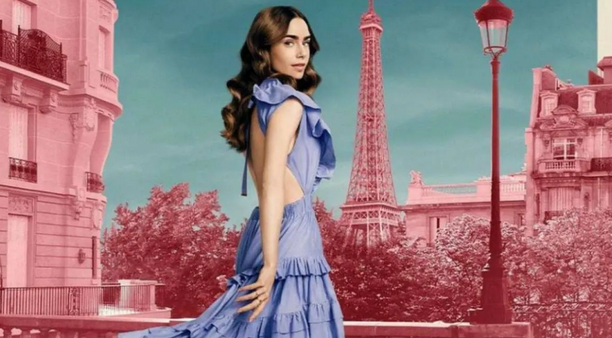
Few television shows in recent years have blurred the line between entertainment and commerce as effectively as Emily in Paris. What began as a lighthearted romantic comedy quickly evolved into a global cultural and commercial phenomenon. With millions of viewers worldwide and an intensely engaged digital audience, the series has become far more than a narrative—it is now a powerful marketing engine for luxury fashion brands.
At the heart of this transformation lies a simple yet revolutionary idea: storytelling can sell. Rather than relying on traditional advertising, Emily in Paris integrates luxury fashion into its narrative, turning characters, wardrobes, and settings into aspirational marketing tools. The result is a new model of “retailtainment,” where content consumption and consumer behavior are seamlessly intertwined.
This article explores how Emily in Paris has redefined luxury fashion marketing, analyzing its strategies, impact, business collaborations, and the broader implications for the fashion industry.
The Rise of Emily in Paris as a Cultural and Commercial Force
When Emily in Paris debuted on Netflix in 2020, it quickly captured global attention. The show attracted over 58 million viewers in its first month, establishing itself as a major streaming success.
The premise follows Emily Cooper, a young American marketing executive who moves to Paris to bring a fresh digital perspective to a French luxury marketing firm. While the storyline revolves around romance and career challenges, the true star of the show is its fashion.
From bold color combinations to high-end designer labels, Emily’s wardrobe became a focal point of discussion. Fashion critics, influencers, and audiences dissected each outfit, turning episodes into virtual runway shows.
This intense focus on style laid the foundation for the show’s transformation into a marketing powerhouse.
Fashion as Narrative: Turning Wardrobes into Brand Platforms
Unlike traditional TV shows where costumes serve the story, Emily in Paris elevates fashion into a storytelling device. Each outfit reflects character development, emotional states, and cultural contrasts.
The show features a wide range of luxury brands, including:
- Jacquemus
- Balenciaga
- Valentino
- Christian Louboutin
- Fendi
These brands are not merely displayed—they are woven into the narrative, creating a natural and immersive form of product placement.
This approach achieves something traditional advertising struggles with: authenticity. Viewers do not feel like they are being sold a product; instead, they are inspired by a lifestyle.
As a result, fashion becomes:
- A character in its own right
- A driver of audience engagement
- A catalyst for consumer desire
The Power of Organic Product Placement
One of the most innovative aspects of Emily in Paris is its seamless integration of brands into the storyline. Unlike overt advertisements, products appear naturally within the narrative context.
For example:
- Characters wear luxury items during everyday scenes
- Brands are incorporated into marketing campaigns within the show
- Storylines revolve around real-world products and companies
This strategy significantly enhances effectiveness. Research shows that audiences respond more positively to subtle brand exposure than to direct advertising.
Brands such as Boucheron and resale platform Vestiaire Collective experienced measurable increases in visibility and engagement after appearing in the series.
This demonstrates a key shift in marketing:
From interruption-based advertising → to integration-based storytelling
Retailtainment: Where Content Meets Commerce
The concept of “retailtainment” is central to the success of Emily in Paris. This model merges entertainment with shopping, allowing viewers to transition seamlessly from watching to purchasing.
Examples include:
- Shoppable content linked to outfits worn in the show
- Online platforms offering exact or similar items
- Collaborations that launch alongside new seasons
In some cases, viewers can identify and purchase clothing directly using tools like image recognition technology.
This creates a frictionless consumer journey:
- Watch the show
- Fall in love with an outfit
- Instantly find and buy it
The result is a powerful conversion funnel embedded within entertainment.
The Role of Social Media Amplification
Social media plays a crucial role in amplifying the marketing impact of Emily in Paris. Platforms like Instagram, TikTok, and Pinterest extend the life of each episode far beyond its runtime.
Key dynamics include:
- Influencers recreating Emily’s outfits
- Hashtags driving global trends
- Fans sharing style inspiration
Searches for fashion items featured in the show have surged significantly, with some trends seeing increases of over 50%.
This creates a feedback loop:
Show → Social Media → Consumer Demand → Brand Sales
In this ecosystem, viewers become marketers, spreading brand visibility organically.
Strategic Brand Collaborations and Co-Branding
Luxury brands are increasingly partnering with Emily in Paris to capitalize on its global reach. These collaborations go beyond simple product placement.
Examples include:
- Capsule collections inspired by the show
- Co-branded campaigns
- Limited-edition product launches
These partnerships are highly competitive, as brands recognize the show’s ability to deliver immediate visibility and engagement.
Recent seasons have introduced even deeper integrations, where brands play central roles in storylines.
This strategy transforms the show into:
- A marketing platform
- A retail channel
- A branding experience
Data-Driven Impact: From Screen to Sales
One of the most compelling aspects of Emily in Paris is its measurable impact on consumer behavior.
Key data points include:
- Significant spikes in search queries for featured items
- Increased social media followers for participating brands
- Growth in sales and website traffic
For instance:
- Vestiaire Collective saw an 85% increase in Google searches
- Thousands of new followers were gained after its appearance in the show
These metrics highlight the show’s ability to convert attention into action—a critical goal in modern marketing.
The Evolution of Product Placement
Traditional product placement often felt forced or intrusive. Emily in Paris has redefined this approach by making it:
- Narrative-driven
- Emotionally engaging
- Visually compelling
In recent seasons, product placement has become even more prominent, with multiple brand appearances within minutes of an episode.
While some critics argue that this approach risks over-commercialization, it reflects a broader industry trend toward integrated marketing.
The Aspirational Economy: Selling a Lifestyle
At its core, Emily in Paris succeeds because it sells aspiration. The show presents an idealized version of life:
- Romantic Parisian settings
- High-fashion wardrobes
- Glamorous social experiences
This aspirational narrative aligns perfectly with luxury branding, which relies on emotion and desire rather than necessity.
Viewers are not just buying products—they are buying:
- A lifestyle
- A dream
- An identity
This emotional connection is what drives long-term brand loyalty.
Criticism and Controversy: Is It Too Commercial?
Despite its success, Emily in Paris has faced criticism for its heavy reliance on product placement.
Some critics argue that:
- The show resembles a “walking advertisement”
- Storylines are sometimes overshadowed by branding
- The portrayal of fashion is unrealistic
There is also a broader debate about sustainability. The fast-changing outfits and constant consumption reflect the tension between luxury fashion and environmental responsibility.
These critiques highlight the challenges of balancing creativity with commercial interests.
The Future of Luxury Fashion Marketing
The success of Emily in Paris offers valuable insights into the future of marketing:
1. Storytelling Will Dominate
Brands will increasingly invest in narrative-driven content rather than traditional ads.
2. Entertainment Will Become a Sales Channel
Streaming platforms may evolve into integrated shopping ecosystems.
3. Personalization Will Increase
Technology will enable tailored shopping experiences based on viewer preferences.
4. Collaboration Will Be Key
Partnerships between media and brands will become more sophisticated and strategic.
Lessons for Brands and Marketers
The business model of Emily in Paris provides several key takeaways:
Embrace Authentic Integration
Consumers respond better to natural storytelling than overt advertising.
Leverage Multi-Platform Engagement
Combine TV, social media, and e-commerce for maximum impact.
Focus on Experience, Not Just Product
Sell a lifestyle and emotional connection.
Act Quickly on Trends
Limited drops and timely campaigns can drive immediate sales.
Beyond Fashion: A Blueprint for Other Industries
While the show focuses on luxury fashion, its marketing principles can be applied across industries:
- Beauty brands can integrate products into storylines
- Travel companies can showcase destinations
- Tech companies can feature innovations in everyday use
The key is to create a seamless blend of content and commerce.
Conclusion: A New Era of Marketing
Emily in Paris represents a turning point in the evolution of marketing. By merging entertainment, fashion, and commerce, it has created a new paradigm for brand engagement.
The show demonstrates that:
- Content can drive commerce
- Storytelling can replace traditional advertising
- Viewers can become consumers in real time
As the boundaries between media and marketing continue to blur, Emily in Paris stands as a blueprint for the future—a world where every story is an opportunity to sell, and every screen is a storefront.