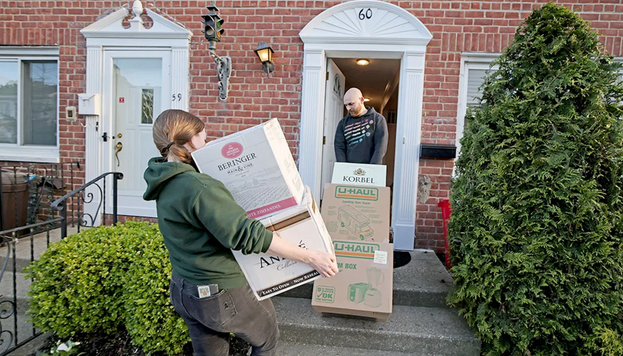
For the last several years, America’s housing market has produced a new kind of buyer: the “nepo buyer.” The phrase refers to homebuyers who rely heavily on family wealth, parental assistance, inheritances, or financial connections to purchase property. In an era of soaring home prices, elevated mortgage rates, stagnant wage growth, and shrinking affordability, these buyers became symbolic of a housing market increasingly divided between those with family resources and those without them.
Parents helped adult children with down payments. Grandparents transferred wealth early. Families co-signed mortgages or purchased homes outright. In many expensive metropolitan markets, financial support from relatives became almost essential for younger buyers hoping to enter homeownership.
Yet something surprising has started happening. Despite continued affordability challenges, the share of “nepo buyers” appears to be declining in several parts of the market. Data from industry reports and real estate analysts suggests fewer first-time buyers are receiving direct financial assistance from family members than many expected.
At first glance, this trend may seem positive. A decline in family-assisted buying could imply greater financial independence among younger buyers. But economists and housing experts increasingly argue the opposite may be true. The decline of nepo buyers may actually signal a deeper structural problem in America’s housing market: fewer young people can afford homes at all, even with help.
The shift reveals how dramatically the housing landscape has changed. Instead of a broad middle class stretching financially to buy homes with some parental support, the market is increasingly dominated by older, wealthier, equity-rich buyers. First-time homeownership is becoming rarer, delayed, and more unequal.
The decline of nepo buyers is therefore not simply about fewer parents helping their children. It is about shrinking opportunity, changing demographics, generational wealth divides, and a housing system that increasingly excludes millions of Americans.
Understanding the Rise of Nepo Buyers
What Is a Nepo Buyer?
A nepo buyer is generally a homebuyer who benefits from family wealth or influence during the purchasing process. This assistance can come in many forms:
- Down payment gifts
- Inherited money
- Co-signed loans
- Mortgage guarantees
- Family-owned investment properties
- Parents purchasing homes for children
- Living rent-free to save money
- Access to family financial networks
The term gained popularity because buying a home in many American cities became nearly impossible without outside financial assistance.
Younger buyers especially struggled with:
- Record home prices
- High mortgage interest rates
- Student debt
- Rising rents
- Wage stagnation
- Limited housing inventory
As affordability worsened, family support evolved from a luxury into a necessity.
The Bank of Mom and Dad
The “Bank of Mom and Dad” became one of the most important unofficial lenders in America. Surveys found many younger homebuyers depended on family money for down payments or closing costs. Redfin reported that nearly one-quarter of Gen Z and millennial buyers used cash gifts or inheritances to purchase homes.
Parents increasingly viewed housing assistance as an investment in their children’s future. Some families even shifted money originally intended for college tuition toward helping children buy homes instead.
In highly competitive cities such as New York, San Francisco, Los Angeles, Boston, and Miami, family support often determined whether someone could buy property at all.
Why Nepo Buyers Flourished
Several forces fueled the rise of family-assisted buying:
Low Housing Supply
America has suffered from years of underbuilding. Housing construction failed to keep pace with population growth and household formation. Realtor.com estimated the national housing shortage exceeded four million homes.
With too few homes available, prices surged.
Historically High Prices
Home prices rose dramatically after the pandemic. Combined with higher borrowing costs, the monthly payment required to buy a home became unaffordable for many middle-class households.
Rising Mortgage Rates
Mortgage rates climbed sharply compared to pandemic-era lows, reducing purchasing power. Buyers needed larger down payments and stronger financial profiles to qualify for loans.
Wealth Inequality
Older generations accumulated enormous housing wealth during decades of appreciation. Many parents who bought homes decades earlier experienced substantial equity growth and could now help their children financially.
Delayed Adulthood
Younger Americans increasingly delayed marriage, family formation, and homeownership because of economic pressures. Family assistance became a bridge into traditional middle-class milestones.
The Surprising Decline of Nepo Buyers
A Counterintuitive Trend
One might assume that worsening affordability would increase dependence on family money. Yet several reports indicate the percentage of buyers receiving direct financial assistance has actually declined in recent years.
This shift surprised analysts because affordability conditions remain extremely difficult.
The decline is not happening because young buyers suddenly became financially stronger. Instead, many experts believe the market itself is changing in ways that reduce participation from first-time buyers altogether.
Fewer First-Time Buyers
The National Association of Realtors reported that first-time buyers now represent historically low shares of the market. In 2025, first-time buyers accounted for only 21% of purchases, the lowest level since tracking began in 1981.
This statistic is crucial.
First-time buyers are the group most likely to receive family assistance. If fewer first-time buyers participate in the market, the overall percentage of nepo buyers naturally falls.
The decline therefore reflects exclusion rather than improved independence.
Older Buyers Dominate the Market
The median age of first-time homebuyers has climbed dramatically. Many buyers are now approaching middle age before purchasing their first property.
Meanwhile, existing homeowners with accumulated equity dominate transactions.
These buyers often:
- Sell one property to buy another
- Make larger down payments
- Pay cash
- Have stronger credit profiles
- Possess investment portfolios
As a result, the market increasingly favors established wealth over new entrants.
Why Nepo Buyers Are Declining
Parents Are Facing Financial Pressure Too
Many parents who previously helped children purchase homes now face economic uncertainty themselves.
Several pressures affect older generations:
- Inflation
- Healthcare costs
- Retirement insecurity
- Market volatility
- Rising insurance expenses
- Long-term care costs
Parents may simply have less disposable wealth available to transfer.
At the same time, some families who could provide assistance are becoming more cautious amid economic uncertainty.
Housing Became Too Expensive Even With Help
In many regions, family assistance no longer bridges the affordability gap.
A $25,000 or $50,000 contribution may have once been enough for a down payment. Today, in expensive markets, buyers may need hundreds of thousands of dollars to compete effectively.
Even generous parental help may not offset:
- Elevated monthly payments
- Property taxes
- Insurance
- Maintenance costs
- HOA fees
As affordability deteriorates, some buyers give up entirely.
Rising Interest Rates Changed the Math
Mortgage rates transformed housing economics.
During low-rate years, buyers could stretch budgets because monthly payments remained manageable. Higher rates dramatically increased borrowing costs.
A home affordable at 3% interest became unaffordable at 7%.
This shift hurt younger buyers especially because they lack large equity cushions.
Student Debt and Wage Stagnation
Student loan burdens continue affecting younger Americans.
At the same time:
- Wage growth often lags housing inflation
- Rent consumes larger portions of income
- Savings rates remain low
- Emergency expenses reduce purchasing power
Even buyers receiving family assistance may struggle to qualify for mortgages under stricter lending standards.
Economic Uncertainty
Job instability and recession fears also discourage buyers.
Homeownership requires long-term financial confidence. Many younger Americans remain uncertain about:
- Career stability
- Geographic mobility
- Inflation
- Future income growth
This uncertainty pushes some households toward renting instead.
The Broader Meaning Behind the Trend
The Housing Ladder Is Breaking
Historically, first-time buyers served as the foundation of America’s housing system.
Young households purchased starter homes, built equity, and eventually upgraded. Their purchases allowed older homeowners to move into larger or retirement properties.
This chain created mobility throughout the market.
Now that ladder is weakening.
When younger buyers disappear, the entire market structure becomes distorted.
Wealth Inequality Is Deepening
The decline of nepo buyers does not mean inequality is disappearing. In many ways, inequality is becoming more entrenched.
The market increasingly separates Americans into two groups:
Housing Haves
People who already own property and benefit from rising home equity.
Housing Have-Nots
People permanently locked out of ownership.
Those who entered the market earlier continue accumulating wealth through appreciation. Those excluded fall further behind.
Housing remains one of the largest wealth-building tools in America. Delayed ownership therefore widens long-term financial inequality.
Generational Divides Are Growing
Baby boomers and older Gen X homeowners benefited from decades of lower home prices and strong appreciation.
Younger generations face:
- Higher price-to-income ratios
- Greater debt burdens
- Higher rents
- More competition
- Limited inventory
This generational imbalance fuels frustration among millennials and Gen Z.
Many younger Americans increasingly believe the traditional American dream is unattainable.
The Rise of Alternative Buying Strategies
Multigenerational Living
As affordability worsens, more Americans are purchasing multigenerational homes.
Families are pooling resources by living together across generations.
These arrangements often include:
- Parents
- Adult children
- Grandparents
- Siblings
The trend reflects both economic necessity and changing cultural attitudes.
Sibling Homeownership
Younger buyers increasingly purchase homes with siblings instead of spouses. Bank of America data showed rising numbers of Gen Z buyers teaming up with brothers or sisters to afford homes.
This represents a major cultural shift in how Americans approach property ownership.
Shared Equity Models
Some buyers now rely on:
- Co-ownership structures
- Fractional ownership
- Shared equity agreements
- Investor-backed purchasing programs
These alternatives attempt to lower barriers to entry but also complicate traditional ownership models.
The Psychological Impact on Young Americans
Delayed Milestones
Homeownership traditionally symbolized adulthood, stability, and financial progress.
As buying becomes harder, younger generations increasingly delay:
- Marriage
- Parenthood
- Family formation
- Long-term community roots
Housing insecurity affects broader social and economic patterns.
Resentment and Social Frustration
The perception that wealth and family connections determine homeownership opportunities fuels resentment.
Terms like “nepo buyers” reflect broader anxieties about inequality and privilege in modern America.
Many renters feel the system rewards inherited wealth more than hard work.
Mental Health and Financial Anxiety
Housing instability creates significant stress.
Young Americans face constant concerns about:
- Rent increases
- Saving enough money
- Future affordability
- Economic security
The inability to buy homes contributes to wider feelings of financial hopelessness.
Investors and Institutional Buyers Add Pressure
Competition From Investors
Institutional investors and corporate landlords continue purchasing large numbers of homes in some markets.
These buyers often possess advantages unavailable to ordinary families:
- Cash offers
- Faster closings
- Larger reserves
- Greater negotiating power
First-time buyers struggle to compete against these entities.
Cash Buyers Dominate
Cash transactions increasingly shape housing competition.
Equity-rich homeowners and investors can bypass mortgage uncertainty entirely, pushing financed buyers to the sidelines.
This trend particularly harms younger households dependent on loans.
Regional Differences Across America
Expensive Coastal Cities
Nepo buying initially became most visible in high-cost coastal regions where homeownership required extraordinary financial support.
Cities like:
- New York
- San Francisco
- Los Angeles
- Boston
- Seattle
experienced especially strong family-assisted purchasing trends.
Affordable Markets Still Struggle
Even traditionally affordable regions now face affordability pressures.
Sun Belt cities that once attracted younger buyers saw rapid price growth during the pandemic years.
As affordability spreads nationwide, fewer regions remain accessible to middle-income buyers.
Suburban Shifts
Some younger buyers relocate farther from city centers searching for affordability.
However, long commutes, transportation costs, and infrastructure limitations reduce the appeal of distant suburban housing.
The Future of Homeownership
Will Homeownership Become a Luxury?
One major fear is that homeownership may increasingly resemble an elite asset class rather than a broad middle-class achievement.
If trends continue:
- Ownership rates among younger generations may decline further
- Wealth inequality may accelerate
- Family wealth transfers may dominate access
- Renting may become permanent for millions
Policy Solutions Under Debate
Policymakers continue debating how to improve affordability.
Proposals include:
Expanding Housing Supply
Increasing construction remains one of the most widely supported solutions.
Zoning Reform
Many experts argue restrictive zoning limits housing development.
Down Payment Assistance
Programs could help first-time buyers access ownership without family wealth.
Limiting Investor Purchases
Some lawmakers want restrictions on large-scale institutional ownership.
Mortgage Reform
New financing structures may improve accessibility for younger households.
Public frustration with housing affordability continues growing across political lines.
Technology and the Housing Market
Digital Real Estate Platforms
Technology has transformed housing search and financing processes.
Online platforms provide:
- Virtual tours
- AI pricing tools
- Mortgage comparisons
- Digital applications
However, technology alone cannot solve structural affordability shortages.
Remote Work Changed Geography
Remote work initially encouraged migration into lower-cost areas.
But increased demand in these markets eventually pushed prices higher there too.
The affordability crisis therefore expanded geographically rather than disappearing.
Cultural Changes Around Homeownership
Renting Is Becoming More Acceptable
Younger generations increasingly view renting differently than previous generations.
Some prioritize:
- Flexibility
- Mobility
- Urban access
- Lower maintenance responsibilities
However, many renters still desire ownership but feel financially excluded.
The American Dream Is Evolving
For decades, homeownership represented the center of the American dream.
Today, younger generations increasingly question whether that dream remains realistic.
The decline of nepo buyers symbolizes this broader transformation.
Economic Consequences for America
Reduced Economic Mobility
Homeownership historically allowed families to build intergenerational wealth.
If ownership rates decline among younger households, economic mobility may weaken over time.
Consumer Spending Impacts
Housing drives major economic activity, including:
- Furniture purchases
- Renovations
- Appliances
- Construction
- Financial services
A weaker first-time buyer market can slow broader economic growth.
Demographic Challenges
Younger Americans delaying family formation may affect:
- Birth rates
- Labor markets
- Community stability
- Long-term economic growth
Housing affordability therefore influences far more than real estate alone.
Is the Decline Permanent?
Possible Market Corrections
Some analysts believe affordability pressures may eventually force price corrections in certain markets.
If prices stabilize or mortgage rates decline, younger buyers could re-enter the market.
Generational Wealth Transfers Continue
Large intergenerational wealth transfers are still expected over coming decades as older Americans pass down assets.
Family-assisted buying may therefore remain important even if current participation declines temporarily.
Structural Problems Remain
However, without major increases in housing supply and affordability improvements, the fundamental barriers facing younger buyers will likely persist.
Conclusion
The decline of nepo buyers in America’s housing market reveals far more than a change in purchasing behavior. It reflects a housing system under extraordinary strain.
At one time, family assistance acted as a bridge helping younger Americans achieve homeownership despite difficult market conditions. Today, even that bridge is weakening. Homes have become so expensive that many buyers cannot afford them even with parental support.
The result is a market increasingly dominated by older, wealthier, equity-rich households while younger generations remain locked out.
This shift carries enormous consequences. It deepens wealth inequality, delays life milestones, reshapes family structures, and threatens the traditional path to middle-class stability in America.
The housing market is no longer merely about shelter. It has become a defining measure of opportunity, privilege, and economic mobility.
Whether America can restore accessible homeownership will depend on solving the structural problems underlying the crisis: inadequate supply, rising costs, restrictive zoning, investor competition, and widening inequality.