In today’s fast-moving digital economy, businesses depend heavily on data. From customer records and financial reports to marketing assets and operational files, organizations generate and process massive amounts of information every day. Traditional storage methods such as physical servers, hard drives, and local systems are no longer sufficient to handle this scale efficiently.
This is where cloud storage comes in. Cloud storage allows businesses to store, manage, and access data over the internet instead of relying on physical infrastructure. It has transformed how companies operate by making data more accessible, secure, and scalable.
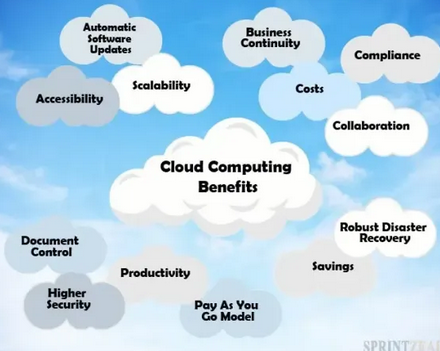
Cloud storage is not just a technological upgrade—it is a complete shift in how modern businesses function. It improves collaboration, reduces costs, strengthens security, and ensures business continuity.
Below are the 12 major benefits of using cloud storage for business operations in detail.
1. Reduced Operational Costs
One of the biggest advantages of cloud storage is cost savings. Traditional data storage requires expensive investments in servers, hardware, maintenance, cooling systems, and IT staff. These costs increase as the business grows.
Cloud storage eliminates most of these expenses. Businesses pay only for the storage they use through flexible subscription models. This removes the need for large upfront investments and helps companies manage budgets more efficiently.
As studies show, cloud-based systems significantly reduce infrastructure and maintenance costs while providing scalable pricing models that adjust with usage needs .
2. Easy Scalability and Flexibility
Business data is constantly growing. One month you may need minimal storage, and the next month you may need terabytes of space.
Cloud storage allows businesses to scale resources up or down instantly without purchasing additional hardware. This flexibility ensures that companies only pay for what they actually use.
Scalability is especially useful for startups and seasonal businesses where demand fluctuates. Cloud systems adapt in real time without disrupting operations.
3. Anywhere, Anytime Data Access
Cloud storage allows employees to access files from any location as long as they have an internet connection. This is one of the most important features for modern businesses that rely on remote work or global teams.
Whether working from home, traveling, or in different offices, employees can easily retrieve and share data in real time. This improves productivity and reduces delays caused by physical file transfers.
Research shows that cloud systems enhance accessibility and allow seamless remote collaboration .
4. Improved Collaboration Among Teams
Collaboration becomes much easier with cloud storage. Multiple employees can work on the same file simultaneously, make updates, and see changes instantly.
Instead of sending files back and forth through email, teams can use shared cloud platforms to streamline workflows.
This real-time collaboration improves efficiency, reduces confusion, and ensures that everyone is working on the latest version of a document.
5. Strong Data Security
Security is one of the biggest concerns for businesses. Cloud storage providers invest heavily in advanced security systems such as encryption, firewalls, multi-factor authentication, and continuous monitoring.
These systems protect data from unauthorized access, cyberattacks, and internal threats.
In many cases, cloud storage is more secure than traditional in-house systems because providers use enterprise-grade security infrastructure that most small businesses cannot afford on their own.
6. Automatic Data Backup and Recovery
Data loss can be devastating for any business. Whether caused by human error, system failure, or cyberattacks, losing important files can disrupt operations.
Cloud storage automatically backs up data at regular intervals. This ensures that files can be restored quickly in case of accidental deletion or system failure.
Disaster recovery becomes faster and more reliable, minimizing downtime and business interruptions.
7. Business Continuity During Disasters
Natural disasters, power failures, or hardware breakdowns can bring traditional systems to a halt. However, cloud storage ensures that data remains safe and accessible even during such events.
Since data is stored in multiple locations and servers, businesses can continue operating without disruption.
This resilience is critical for maintaining business continuity and protecting long-term operations.
8. Automatic Software Updates and Maintenance
With traditional storage systems, businesses must manually update software, install patches, and maintain hardware.
Cloud storage providers handle all updates automatically. This means businesses always have access to the latest features, security improvements, and system upgrades without extra effort.
It also reduces the burden on IT teams, allowing them to focus on more strategic tasks.
9. Enhanced Data Sharing and Transfer
Sharing large files through email or physical devices can be slow and inefficient. Cloud storage allows instant sharing through secure links.
Businesses can share files with employees, clients, or partners anywhere in the world in seconds. Permissions can also be controlled to ensure only authorized users can access sensitive data.
This makes file transfer faster, safer, and more efficient.
10. Environmental Sustainability
Cloud storage contributes to environmental sustainability by reducing the need for physical servers and energy-consuming data centers within each business.
Since cloud providers optimize large-scale infrastructure, energy consumption is reduced significantly compared to traditional storage systems.
This helps businesses lower their carbon footprint and support eco-friendly operations.
11. Better Data Organization and Management
Cloud storage systems provide advanced tools for organizing, categorizing, and searching files.
Instead of manually sorting through folders, businesses can quickly find documents using search functions and tags.
This improves efficiency and saves time, especially in large organizations with thousands of files.
12. Competitive Advantage in the Market
Businesses that use cloud storage gain a competitive edge by operating more efficiently and responding faster to market changes.
They can scale quickly, collaborate effectively, and access real-time data for decision-making.
This agility allows companies to innovate faster and stay ahead of competitors who rely on traditional systems.
Conclusion
Cloud storage is no longer just an optional technology—it has become a critical part of modern business operations. Its ability to reduce costs, improve collaboration, enhance security, and support scalability makes it an essential tool for organizations of all sizes.
From startups to large enterprises, every business can benefit from adopting cloud storage to improve efficiency and stay competitive in a digital world.