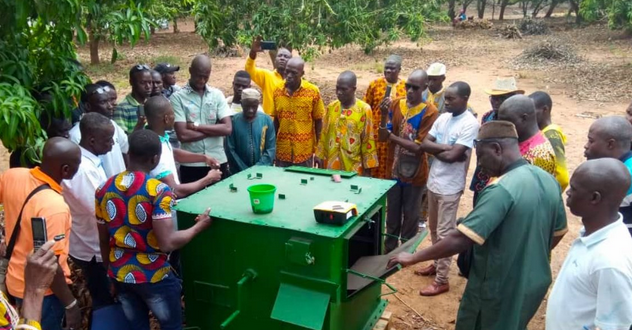
Climate change has pushed the world into a race for new environmental solutions. Governments, scientists, and startups are all searching for ways to reduce greenhouse gas emissions before global warming causes irreversible damage. While many solutions focus on solar power, electric vehicles, and carbon capture technology, a surprising new weapon has entered the fight against climate change: human waste.
At first glance, the idea sounds unpleasant. Most people never think about what happens after they flush a toilet. Waste disappears underground and is quickly forgotten. Yet hidden inside sewage is something extremely valuable — carbon, nutrients, and energy. Around the world, innovative startups are discovering ways to transform human waste into fertilizer, clean fuel, renewable energy, and even long-term carbon storage.
Instead of treating sewage as useless garbage, these companies see it as a powerful climate resource. By processing biosolids — the leftover material from wastewater treatment — startups are preventing methane emissions, reducing landfill waste, producing sustainable products, and helping create a circular economy.
One of the most interesting developments is the rise of climate-tech startups that specialize in converting sewage into carbon-negative products. Some turn waste into biochar for agriculture and construction. Others create cooking fuel, renewable gas, or even sustainable aviation fuel. A few companies are experimenting with injecting processed waste deep underground to permanently lock carbon away from the atmosphere.
This new industry may sound strange, but experts believe it could become an important part of global climate strategy. Human beings produce enormous amounts of waste every single day. Instead of allowing that waste to release harmful greenhouse gases, startups are finding ways to recycle it into something useful.
The result is a remarkable shift in thinking: the problem itself is becoming part of the solution.
The Hidden Climate Problem of Human Waste
Most wastewater systems were designed for sanitation, not climate protection. Their primary purpose is to safely transport and treat sewage to protect human health. However, traditional sewage treatment creates major environmental challenges.
When untreated or poorly managed sewage decomposes, it releases methane, a greenhouse gas far more powerful than carbon dioxide over short periods of time. Landfills that receive sewage sludge also generate methane as organic matter breaks down. Wastewater treatment plants themselves consume large amounts of electricity, making them major energy users.
Globally, cities produce millions of tons of sewage sludge every year. In many countries, the material is dumped into landfills, spread onto land, or incinerated. Each option creates environmental concerns.
Landfilling sewage sludge wastes valuable nutrients and contributes to greenhouse gas emissions. Burning it requires energy and may release pollutants. Spreading untreated sludge onto farmland can raise concerns about pathogens, heavy metals, and chemicals.
For decades, human waste was viewed purely as a disposal problem. Climate-focused startups are now challenging that assumption.
Turning Waste Into a Climate Solution
The key idea behind these startups is simple: human waste still contains carbon and nutrients that can be reused instead of discarded.
Modern treatment systems can safely process biosolids into useful materials while dramatically reducing emissions. Several climate benefits emerge from this process:
- Methane emissions are reduced
- Carbon is stored instead of released
- Renewable energy replaces fossil fuels
- Chemical fertilizers become less necessary
- Waste transportation decreases
- Valuable nutrients are recycled
Scientists have found that treated biosolids can improve soil quality and help store carbon in the ground for long periods. Some biosolids contain stable forms of carbon that do not easily decompose. This means the carbon can remain trapped in soil instead of entering the atmosphere.
This concept has become increasingly attractive as governments and companies search for carbon-negative technologies.
How Startups Process Human Waste
Different startups use different technologies, but most systems follow several basic steps.
1. Collection
Waste is collected from sewage systems, portable toilets, septic tanks, or wastewater treatment plants. Some startups specialize in container-based sanitation systems that safely transport waste to processing facilities.
2. Separation and Drying
The waste is separated into liquids and solids. Excess water is removed to reduce weight and transportation costs. Certain companies use bacterial heat or solar systems to dry biosolids efficiently.
3. Treatment
Pathogens, chemicals, and contaminants are destroyed through heating, gasification, pyrolysis, or biological treatment. Advanced systems can eliminate dangerous substances like PFAS, pharmaceuticals, and microplastics.
4. Conversion
The treated material is converted into useful products such as:
- Biochar
- Fertilizer
- Renewable gas
- Fuel briquettes
- Sustainable aviation fuel
- Carbon storage slurry
- Electricity
Instead of creating pollution, the waste becomes a resource.
The Rise of Biochar From Human Waste
One of the most promising climate applications involves converting sewage sludge into biochar.
Biochar is a charcoal-like material created by heating organic waste in a low-oxygen environment. This process locks carbon into a stable form that can remain trapped for hundreds or even thousands of years.
Several startups now use pyrolysis systems to transform biosolids into carbon-rich biochar products.
The climate benefits are significant:
- Carbon is permanently stored
- Methane emissions are reduced
- Soil quality improves
- Water retention increases
- Agricultural fertilizer use decreases
Biochar can also be used in construction materials such as concrete, helping reduce the carbon footprint of buildings.
One company developed a process that transforms sewage sludge into a product called “OurCarbon,” which can replace carbon-intensive industrial materials. The company claims the process destroys contaminants while creating a marketable carbon-negative product.
This approach turns sewage from an environmental burden into a climate asset.
Human Waste as Renewable Energy
Another major innovation is converting sewage into energy.
Organic waste naturally produces methane during decomposition. Traditional wastewater plants often waste this gas. Climate-tech startups are building systems that capture and use it instead.
Some facilities use anaerobic digesters, where microorganisms break down waste in oxygen-free tanks. The process produces biogas that can generate electricity or renewable natural gas.
Australia recently opened a biosolids gasification plant that converts sewage sludge into renewable energy and biochar fertilizer. The facility is expected to reduce thousands of tons of carbon emissions annually.
Other startups create solid fuel briquettes from treated human waste. In Kenya, one company developed solar-powered systems that transform sewage into clean-burning cooking fuel. This reduces dependence on wood charcoal, helping slow deforestation.
The environmental impact goes beyond waste reduction. Renewable energy from sewage can replace fossil fuels and create cleaner local energy systems.
The Startup Turning Sewage Into Carbon Storage
One of the most ambitious approaches comes from startups focused on permanent carbon removal.
These companies collect bioslurry — a mixture made from sewage sludge, manure, and organic waste — and inject it deep underground into rock formations.
The idea is based on a simple climate principle: if carbon stays underground, it cannot contribute to global warming.
This process prevents organic waste from decomposing and releasing methane or carbon dioxide into the atmosphere. Instead, the carbon is stored deep below Earth’s surface for extremely long periods.
The technology has attracted attention from major corporations looking to offset emissions. Some companies now purchase carbon credits generated through underground bioslurry storage.
Supporters argue this method solves two problems simultaneously:
- It safely disposes of difficult waste
- It permanently removes carbon from the atmosphere
Critics, however, say more long-term research is needed to fully understand environmental risks and scalability.
Why Investors Are Paying Attention
Climate-tech investment has grown rapidly in recent years, and waste-management startups are becoming increasingly attractive to investors.
Several factors make the sector appealing.
Constant Supply of Raw Material
Human waste never stops. Every city produces sewage every day, making it one of the most reliable waste streams in the world.
Rising Climate Pressure
Governments and corporations face growing pressure to reduce emissions. Waste-to-energy and carbon-removal projects help organizations meet climate goals.
Circular Economy Potential
These startups create value from something traditionally considered worthless. Waste becomes fuel, fertilizer, energy, or carbon credits.
Regulatory Support
Many countries are introducing stricter landfill rules and encouraging sustainable waste management. This creates opportunities for innovative treatment technologies.
As a result, startups in the biosolids sector have attracted millions of dollars in funding.
Can Human Waste Replace Traditional Fertilizer?
One of the biggest opportunities involves agriculture.
Human waste contains nitrogen, phosphorus, potassium, and other nutrients essential for plant growth. These nutrients are also the main ingredients in commercial fertilizers.
Modern agriculture depends heavily on synthetic fertilizers, which require large amounts of fossil fuel energy to produce. Mining phosphorus is also environmentally damaging and may become unsustainable in the future.
Treated biosolids offer an alternative nutrient source. Researchers say properly processed sewage products can improve soil fertility while recycling important minerals back into the food system.
Some experts believe this could help reduce dependence on chemical fertilizers and lower agriculture’s carbon footprint.
However, safety remains a major concern.
The Safety Challenges
Despite the environmental potential, human waste recycling faces major public concerns.
People worry about:
- Pathogens
- Heavy metals
- Pharmaceuticals
- Microplastics
- PFAS chemicals
- Odors
- Water contamination
These concerns are not unfounded. Poorly treated sludge can create environmental and health risks.
That is why modern climate-focused startups emphasize advanced treatment methods designed to eliminate contaminants. Pyrolysis, gasification, and high-temperature processing can destroy many harmful substances.
Still, regulations differ across countries. Some regions have restricted or banned the use of biosolids on farmland because of contamination concerns. This remains one of the biggest obstacles facing the industry.
Public acceptance may ultimately determine how widely these technologies are adopted.
The Psychological Barrier
Perhaps the greatest challenge is not technological but emotional.
Many people simply dislike the idea of products made from human waste. The “yuck factor” creates resistance even when scientific evidence shows the materials are safe.
Startups in the sector understand this problem. Some avoid emphasizing the origin of their products and instead focus on sustainability and carbon reduction.
Interestingly, history shows humans have reused waste for agriculture for thousands of years. What has changed is the sophistication and safety of modern treatment systems.
As climate concerns intensify, public attitudes may gradually shift.
Human Waste and the Circular Economy
The concept behind these startups fits into a broader environmental philosophy called the circular economy.
Traditional economies operate in a straight line:
Take → Use → Throw Away
Circular economies aim to reuse materials continuously instead of wasting them.
Human waste contains:
- Carbon
- Water
- Nutrients
- Organic matter
- Energy potential
Climate-tech companies are trying to recover all of these resources instead of discarding them.
This approach could eventually transform cities into resource-recycling systems where waste becomes an input for agriculture, manufacturing, and energy production.
Instead of pollution, sewage becomes part of a regenerative environmental cycle.
Could Sewage Fuel Airplanes?
One of the most surprising developments involves sustainable aviation fuel.
A UK startup announced plans to convert treated sewage sludge into jet fuel. The company believes biosolids could eventually supply a meaningful portion of aviation fuel demand.
The process converts organic waste into hydrocarbons chemically similar to traditional jet fuel.
Aviation is one of the hardest industries to decarbonize because airplanes require high-energy fuels. Sustainable aviation fuel is therefore becoming a major focus for climate innovation.
If sewage-based fuel becomes commercially viable, it could create an entirely new market for waste-derived energy.
The Economic Opportunity
Climate startups focused on human waste are not only environmental businesses — they are also trying to solve major economic problems.
Waste disposal is expensive. Cities spend enormous amounts transporting, storing, and managing sewage sludge.
Innovative processing systems can reduce these costs by:
- Shrinking waste volume
- Producing valuable products
- Creating renewable energy
- Generating carbon credits
- Lowering landfill use
Some facilities even become partially self-powered through biogas production.
As carbon markets grow, waste-processing startups may generate additional revenue through verified carbon removal projects.
This combination of environmental and economic benefits explains why interest in the sector is expanding rapidly.
Challenges Facing the Industry
Despite its promise, the industry still faces serious obstacles.
High Infrastructure Costs
Building advanced treatment facilities requires major investment.
Regulatory Complexity
Waste handling laws vary between countries and regions.
Public Perception
Many consumers remain uncomfortable with waste-derived products.
Transportation Costs
Moving biosolids from cities to processing sites can be expensive.
Contamination Risks
PFAS, heavy metals, and pharmaceuticals remain ongoing concerns.
Scalability
Some technologies work well in pilot projects but struggle at large industrial scales.
These challenges mean the industry still has a long way to go before becoming mainstream.
Why This Matters for Climate Change
The climate crisis requires many different solutions working together simultaneously.
There is no single technology capable of solving global warming alone. Renewable energy, carbon capture, electric transportation, reforestation, and industrial innovation will all play important roles.
Human waste recycling may seem unconventional, but it addresses several climate issues at once:
- Methane reduction
- Carbon storage
- Renewable energy generation
- Resource recycling
- Sustainable agriculture
- Waste reduction
Importantly, sewage is a constant and unavoidable resource. Unlike sunlight or wind, it is produced every day in every city around the world.
That reliability makes it particularly valuable in climate planning.
The Future of Waste-Based Climate Technology
The future of this industry could become surprisingly advanced.
Researchers are already exploring ways to:
- Extract more nutrients from wastewater
- Produce hydrogen fuel
- Generate clean electricity
- Manufacture sustainable chemicals
- Improve carbon sequestration
- Remove microplastics and PFAS
- Create carbon-negative building materials
Artificial intelligence and automation may also improve waste-processing efficiency.
In the future, wastewater treatment plants may evolve into “resource recovery centers” that produce clean energy, recycled water, fertilizer, and carbon storage products simultaneously.
What was once viewed as pollution could become one of the most valuable urban resources.
Conclusion
Human waste may not sound glamorous, but it could play an important role in the fight against climate change.
Innovative startups are proving that sewage is more than just a sanitation problem. Hidden inside waste are nutrients, carbon, and energy that can be recovered instead of discarded. Through technologies like biochar production, renewable gas generation, carbon sequestration, and sustainable fuel manufacturing, companies are transforming one of humanity’s oldest problems into a modern climate solution.
The industry still faces technical, economic, and psychological challenges. Public trust must be earned, regulations must evolve, and contamination risks must be carefully managed. Yet the momentum behind waste-based climate technology continues to grow.
As the world searches for practical ways to reduce emissions and build a circular economy, even the most unlikely resources are gaining attention.